Food Content
How Restaurants Can Prepare for a Monthly Content Shoot
A practical shoot-day system for creating a useful month of restaurant photography and video without slowing the kitchen or wasting dishes.
Plan the content by where it will be used
Do not begin with a list of dishes. Begin with the next month of communication. Note the launches, offers, events, seasonal moments, delivery priorities and questions customers keep asking. Turn those needs into outputs: menu photographs, vertical reels, chef moments, atmosphere, ingredients, team portraits, story frames and a small set of evergreen brand images. Every shot should have a future job.
Prepare the kitchen for camera timing
Assign one person to coordinate between the creative team and kitchen. Confirm ingredient availability, plating references, garnishes, surfaces, glassware and replacement portions before the shoot. Food has a visual window. Ice melts, sauces move and fried textures soften. The shot order should follow preparation reality, not the menu order. Build in reset time and avoid production during the restaurant’s busiest service period.
Capture a system, not isolated posts
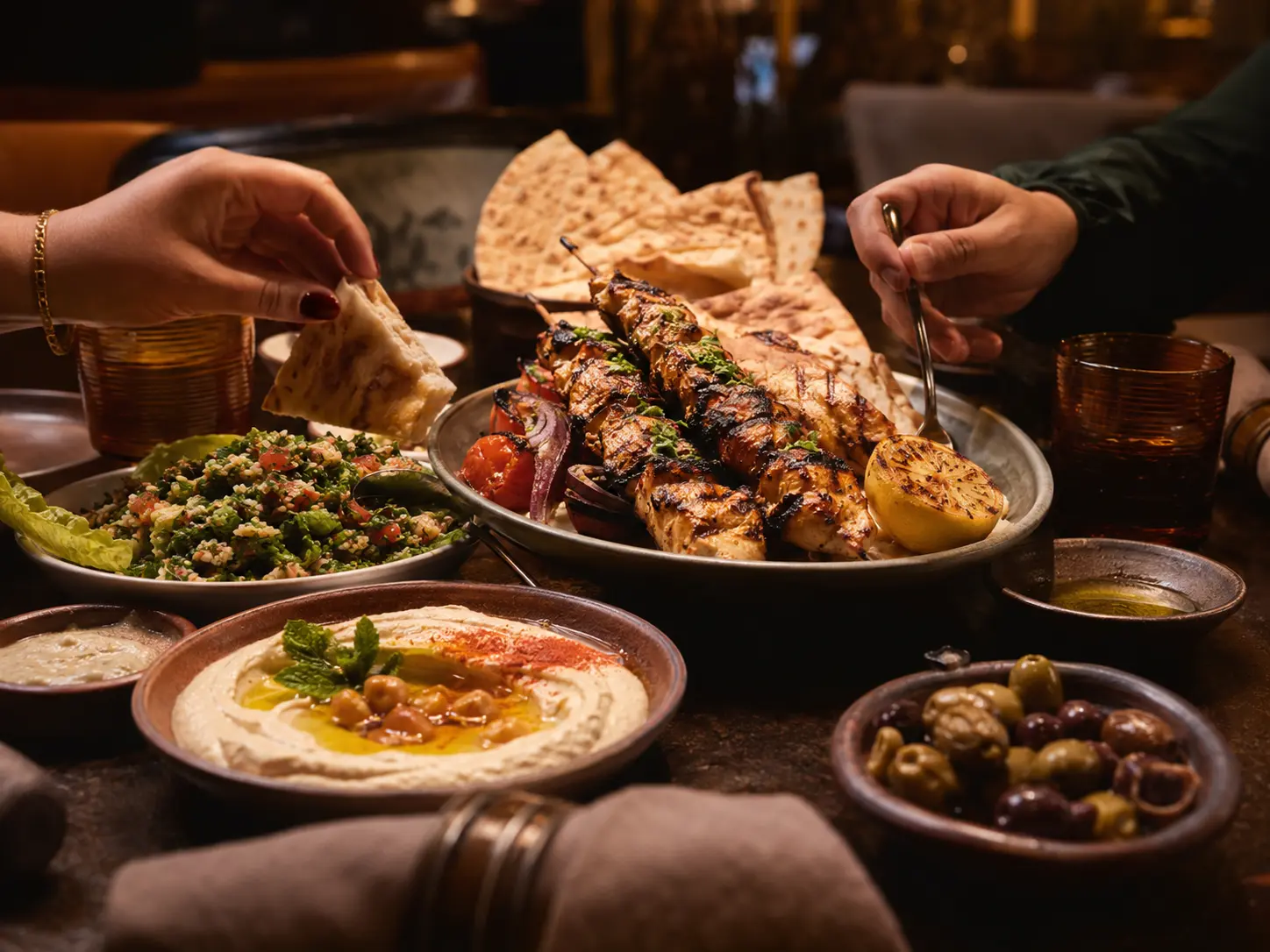
For each important setup, create a useful family of assets: wide, medium and detail photographs; vertical and horizontal framing; clean versions with space for copy; and short motion clips. This gives the marketing team flexibility without requiring a new shoot for every announcement. It also helps the feed feel connected because the content comes from one visual direction.
Finish with organization
Agree on selection, retouching style, video revisions, file naming and delivery sizes. Connect each asset to the content calendar while everyone still remembers why it was created. After publishing, note which dishes, hooks and formats led to saves, reservations, messages or orders. The next shoot should improve from that evidence instead of repeating the same list.
Need help applying this to your business?
Explore the related service ↗